
_______________________________
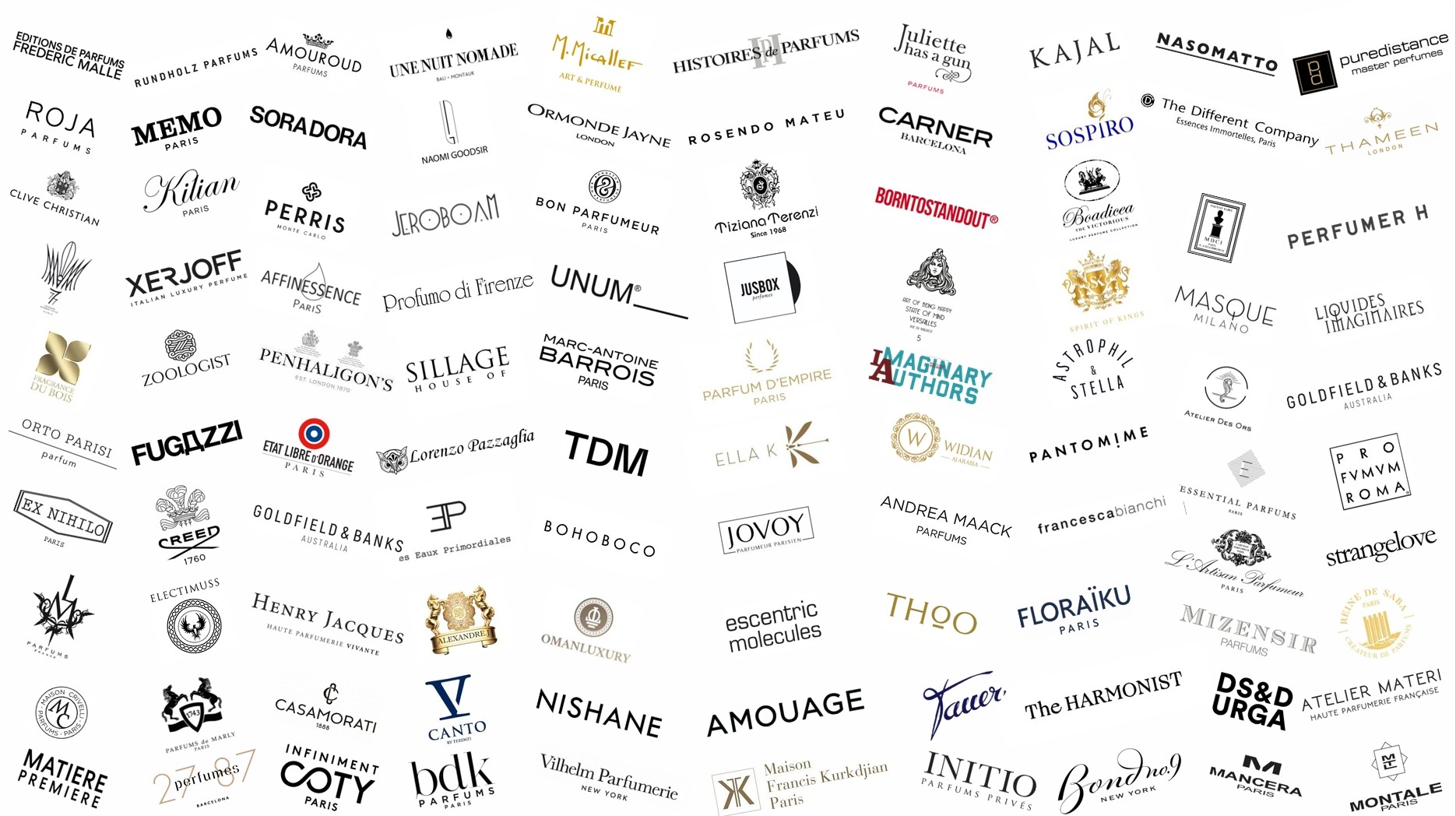
Niche fragrances have stepped out from the shadows of mainstream scents to become the new luxury in fragrance. Demand for these artisanal brands has skyrocketed, and the market is starting to catch up, as shown by data from 100 "niche" fragrance brands.
Launching Trends 📈
🔹 Average Launches Since 2021: 10.4 fragrances per brand
🔹 Recent Launches: 4.5 launched after 2023
🔹 Annual Launch Rate: About 3 new fragrances per year since 2021
While this pace might seem high for a category known for its focus on quality, creativity, and exclusivity over quantity, it also highlights its high demand.
Going for Gold 🥇
A few brands dominate large market shares, while the majority struggle over small portions. A single hit can catapult a brand to new heights. Bestsellers like Baccarat Rouge from MFK, Aventus from Creed, and Erba Pura from Xerjoff have become legends, often make up over 50% of their brands' revenue.
For some of these brands, new launches contribute significantly—up to 20% of annual revenue. Newness not only brings additional sales from the NPD but allows you to get additional visibility, space, and window displays, thereby boosting brand awareness.
The Frequency Factor 〰
Newer brands tend to launch an average of 25.5% more perfumes per year compared to older brands, especially in their early years, helping them build a diverse range and fill store shelves.
However, it's not just the new brands.. Established brands like Xerjoff, Kilian and Montale continue to introduce new fragrances at a steady pace.
There is a strong correlation (0.682) between the total number of fragrances launched and the number of new releases since 2021, indicating that brands with a history of frequent launches keep the momentum going.
Financial strength is key. Brands that have received investments, been acquired, or have standalone stores tend to have a higher launch tempo.
Quality Over Quantity 💠
However, it's not about how many fragrances are launched, but the perceived quality of each launch. Too many irrelevant products can overwhelm consumers and dilute a brand's identity.
While some brands move quickly, others take their time, adhering to a more traditional niche approach.
🔸 Thomas de Monaco has launched only three fragrances since its inception in 2022, introducing each as numbered limited editions, enhancing the brand's exclusivity and demand.
🔸 Puredistance curated their 'Magnificent XII Collection' over 20 years, launching a new fragrance annually and replacing an existing one in their rotation, turning it into a collector's item.
These strategies ensure continuous innovation, exclusivity, and avoids market saturation by maintaining a focused, high-quality lineup.
__
Different strategies all shape the new luxury in fragrance. Whether through rapid releases or curated collections, these "niche" brands continue to redefine the market, balancing growth and authenticity.

"This is an article I published on LinkedIn that I later removed because I felt it gave away too much away."

Marcus Nymand Jacobsen, Managing Partner

_______________________________
Niche fragrances have stepped out from the shadows of mainstream scents to become the new luxury in fragrance. Demand for these artisanal brands has skyrocketed, and the market is starting to catch up, as shown by data from 100 "niche" fragrance brands.
Launching Trends 📈
🔹 Average Launches Since 2021: 10.4 fragrances per brand
🔹 Recent Launches: 4.5 launched after 2023
🔹 Annual Launch Rate: About 3 new fragrances per year since 2021
While this pace might seem high for a category known for its focus on quality, creativity, and exclusivity over quantity, it also highlights its high demand.
Going for Gold 🥇
A few brands dominate large market shares, while the majority struggle over small portions. A single hit can catapult a brand to new heights. Bestsellers like Baccarat Rouge from MFK, Aventus from Creed, and Erba Pura from Xerjoff have become legends, often make up over 50% of their brands' revenue.
For some of these brands, new launches contribute significantly—up to 20% of annual revenue. Newness not only brings additional sales from the NPD but allows you to get additional visibility, space, and window displays, thereby boosting brand awareness.
The Frequency Factor 〰
Newer brands tend to launch an average of 25.5% more perfumes per year compared to older brands, especially in their early years, helping them build a diverse range and fill store shelves.
However, it's not just the new brands.. Established brands like Xerjoff, Kilian and Montale continue to introduce new fragrances at a steady pace.
There is a strong correlation (0.682) between the total number of fragrances launched and the number of new releases since 2021, indicating that brands with a history of frequent launches keep the momentum going.
Financial strength is key. Brands that have received investments, been acquired, or have standalone stores tend to have a higher launch tempo.
Quality Over Quantity 💠
However, it's not about how many fragrances are launched, but the perceived quality of each launch. Too many irrelevant products can overwhelm consumers and dilute a brand's identity.
While some brands move quickly, others take their time, adhering to a more traditional niche approach.
🔸 Thomas de Monaco has launched only three fragrances since its inception in 2022, introducing each as numbered limited editions, enhancing the brand's exclusivity and demand.
🔸 Puredistance curated their 'Magnificent XII Collection' over 20 years, launching a new fragrance annually and replacing an existing one in their rotation, turning it into a collector's item.
These strategies ensure continuous innovation, exclusivity, and avoids market saturation by maintaining a focused, high-quality lineup.
__
Different strategies all shape the new luxury in fragrance. Whether through rapid releases or curated collections, these "niche" brands continue to redefine the market, balancing growth and authenticity.
"This is an article I published on LinkedIn that I later removed because I felt it gave away too much away."
Marcus Nymand Jacobsen, Managing Partner